

DEI Mapping and Project Prioritization
At the start of the DEI project in 2020, RCP’s initial goal was to establish a clear understanding of an individual’s journey through the probation system. By mapping out a client’s journey, RCP was able to identify every decision point for staff as they navigate each client’s case. Ultimately, a data collection plan was developed identifying all potential areas of disparity in client outcomes.
Next, a team of experts, consisting of Business Process Analysts and Research Specialists, determined relative rates of occurrence across all population groups to see if individuals’ outcomes were impacted by race/ethnicity. The analysis revealed that there was statistical significance in more than 50% of our dataset based on race/ethnicity.
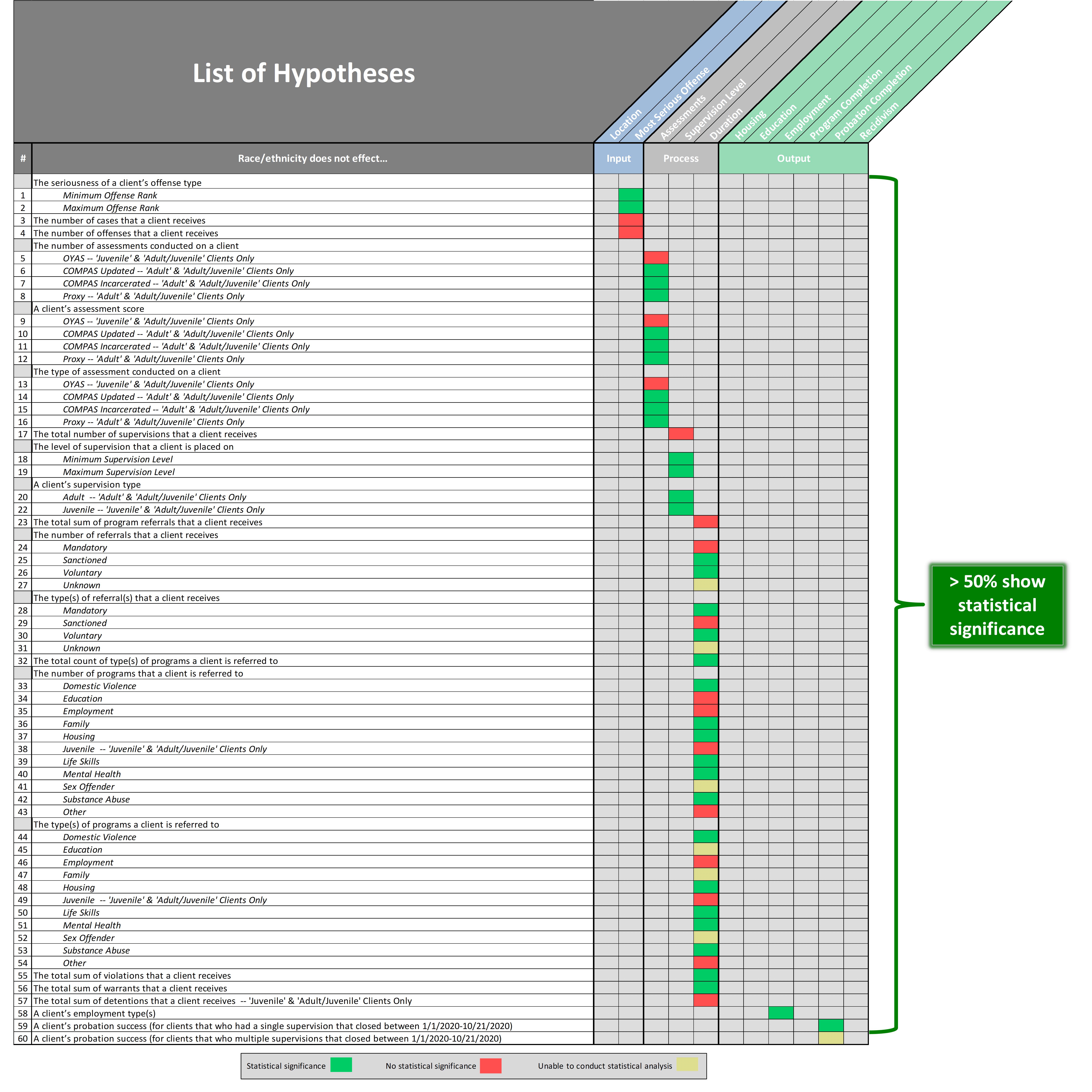
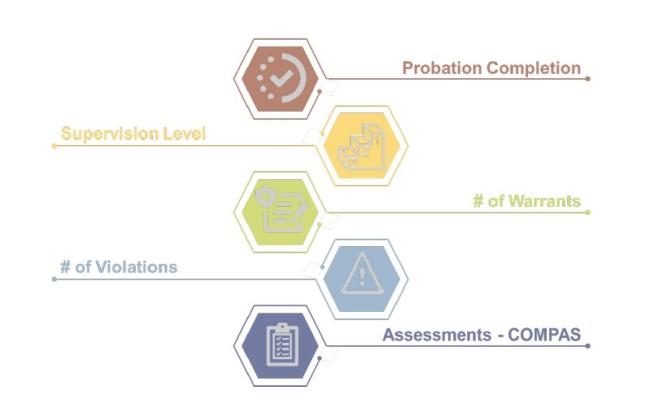
To strategically narrow our focus to the highest priority items, a Pugh matrix was utilized to assess impact, effort, and risk. This helped identify the top five focal points, allowing the department to delve deeper into why the data shows statistical significance. This process and the top five priority areas have, in essence, shaped the direction of the entire project to date.
Image
CSUSB Evaluation
Since August 2022, Riverside County Probation (RCP) entered into a contract with California State University, San Bernardino’s (CSUSB) School of Criminology and Criminal Justice to conduct an independent evaluation of RCP’s efforts at promoting diversity, equity, and inclusion (DEI) in its workforce and operations. CSUSB has since evaluated three key aspects of RCP’s DEI efforts:
- Client Outcomes
- Workforce Experiences
- Mandated Training
CLIENT OUTCOMES
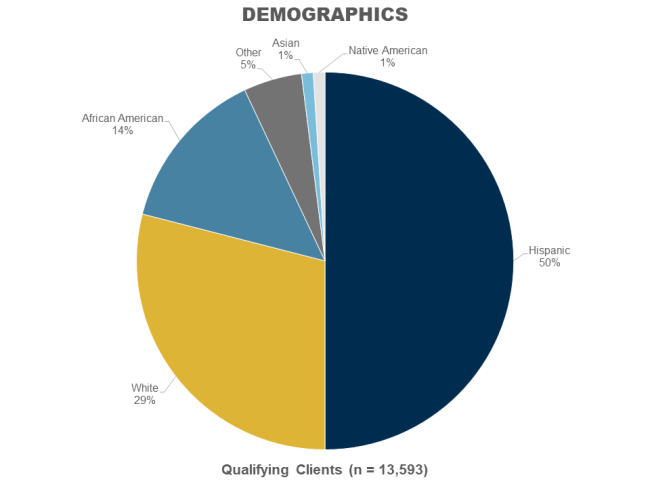
CSUSB analyzed equity across race/ethnicity for RCP clients under supervision from October 2019 through August 2023. The dataset utilized by CSUSB for further analysis consisted of 13,593 adult clients with available supervision levels and Proxy assessment scores. The visual below depicts the demographic breakdown of these 13,593 clients.
Image
To measure equity across race/ethnicity, CSUSB utilized the Relative Rate Index (RRI) metric. This metric compares the relative likelihood of different outcomes for racial/ethnic groups of color compared to their white counterparts. The RRI is calculated as follows:
Image

- An RRI equal to 1 indicates that a racial/ethnic group of color experience an outcome at the same rate as their white counterparts.
- An RRI greater than 1 indicates that a racial/ethnic group of color is more likely to experience the outcome compared to their white counterparts.
- An RRI less than 1 indicates that a racial/ethnic group of color is less likely to experience the outcome compared to their white counterparts.
In their analysis, CSUSB aimed to answer two questions:
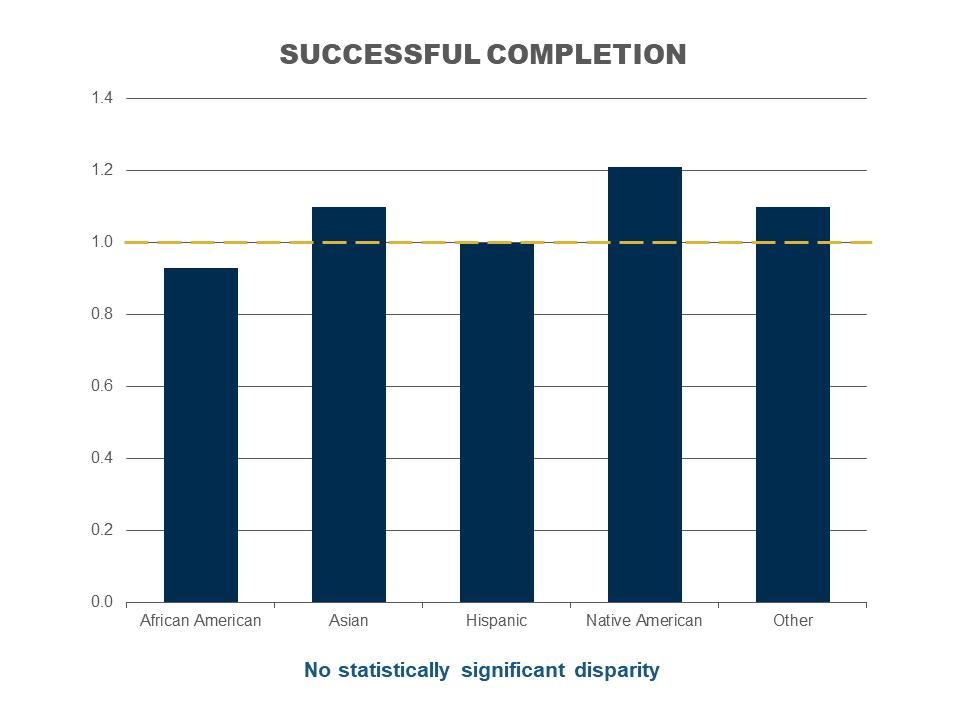
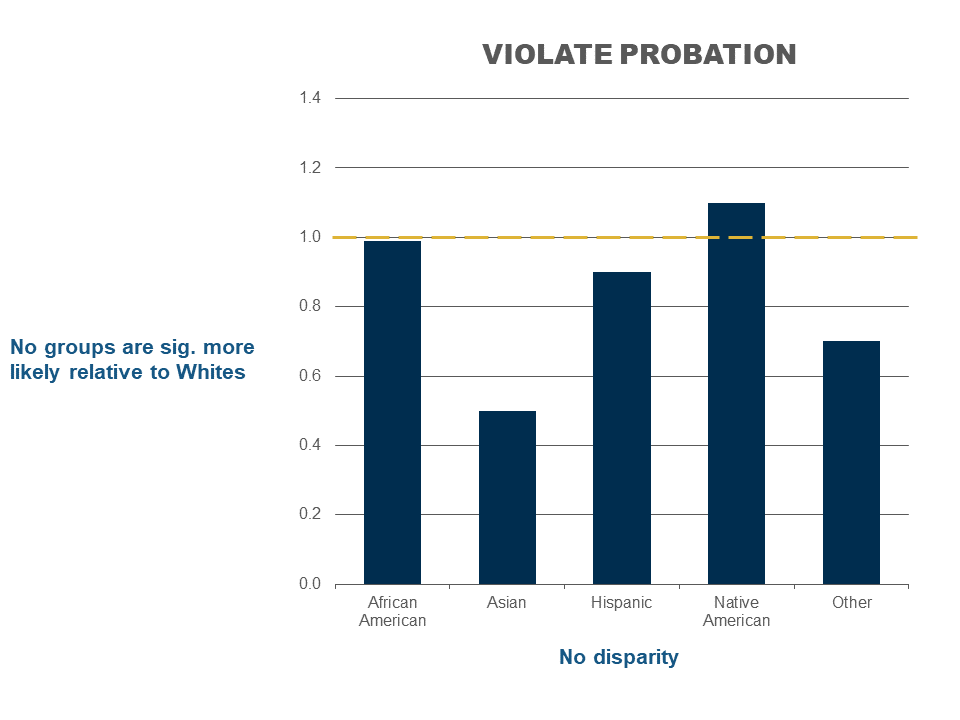
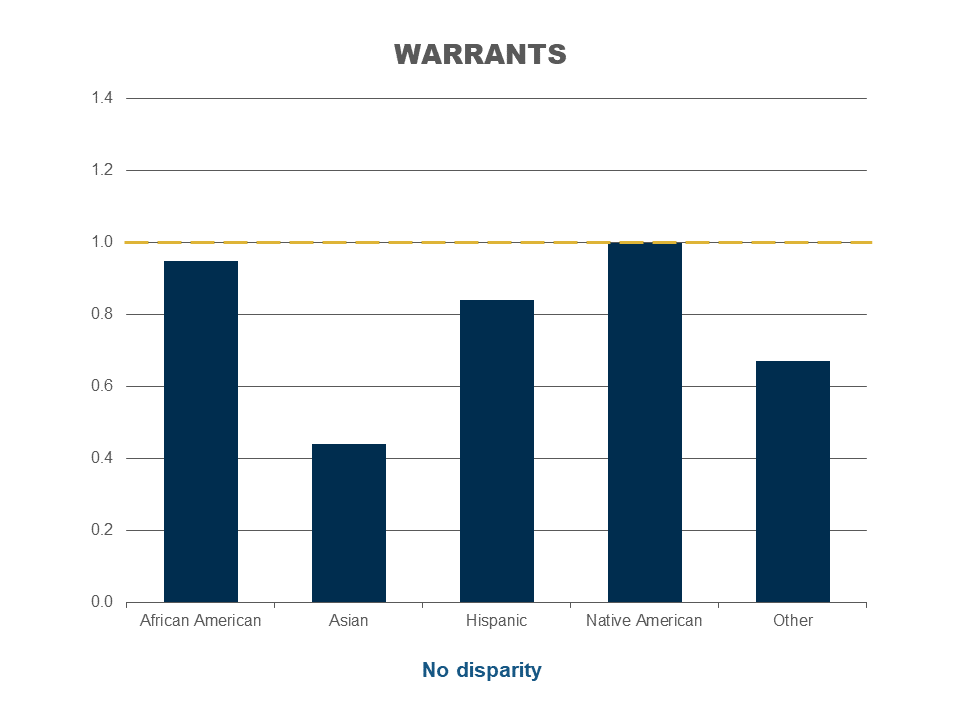
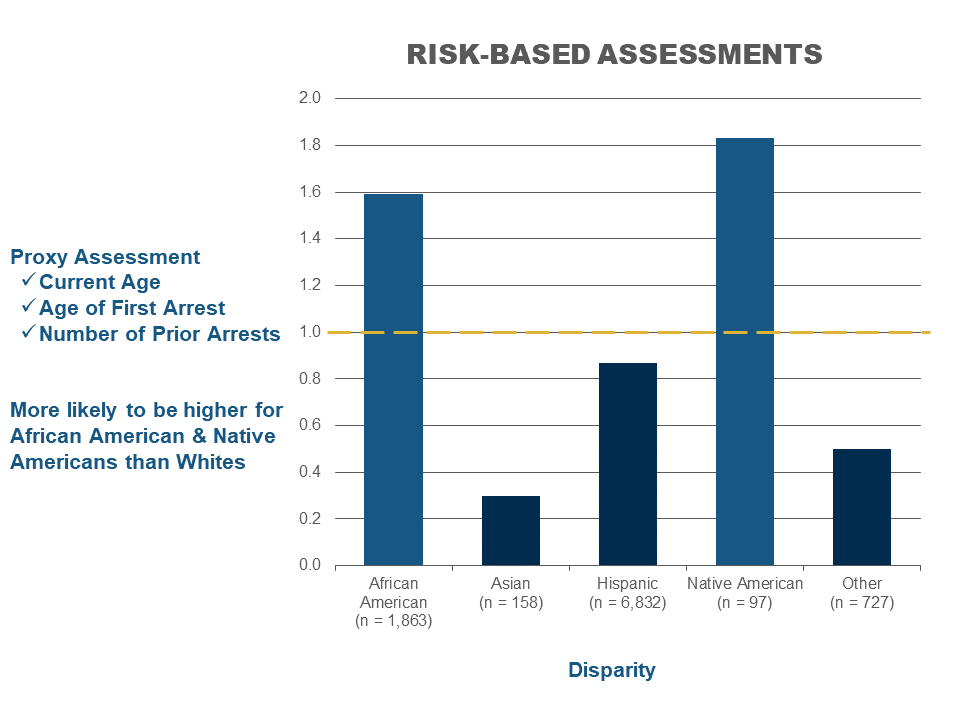
1. Relative to whites, what is the likelihood of each outcome (i.e., successful completion, violations, warrants, and the Proxy assessment)?
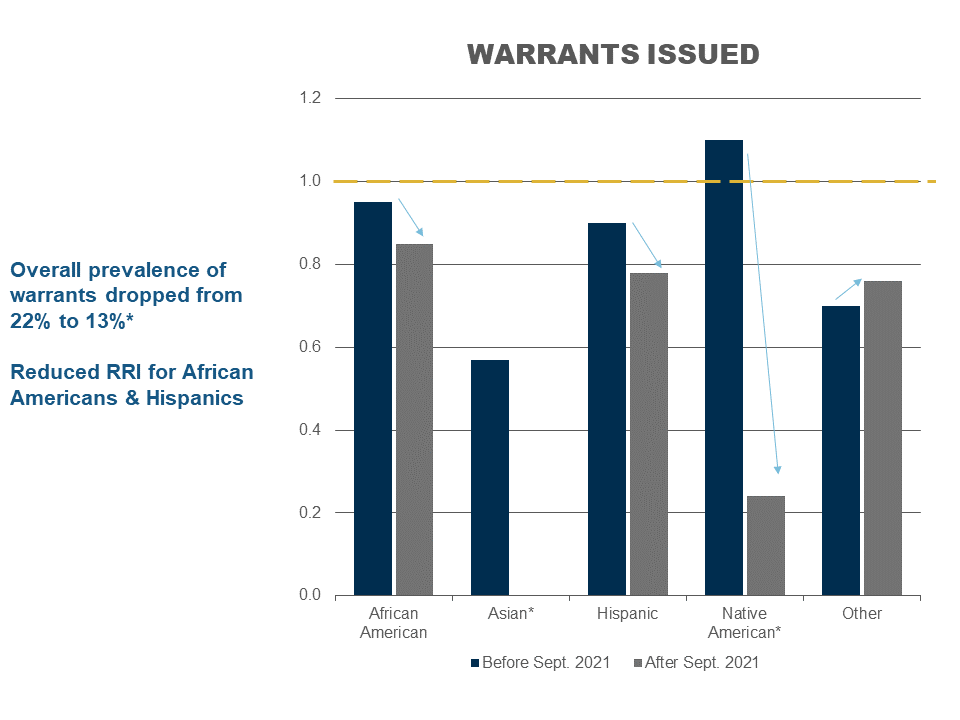
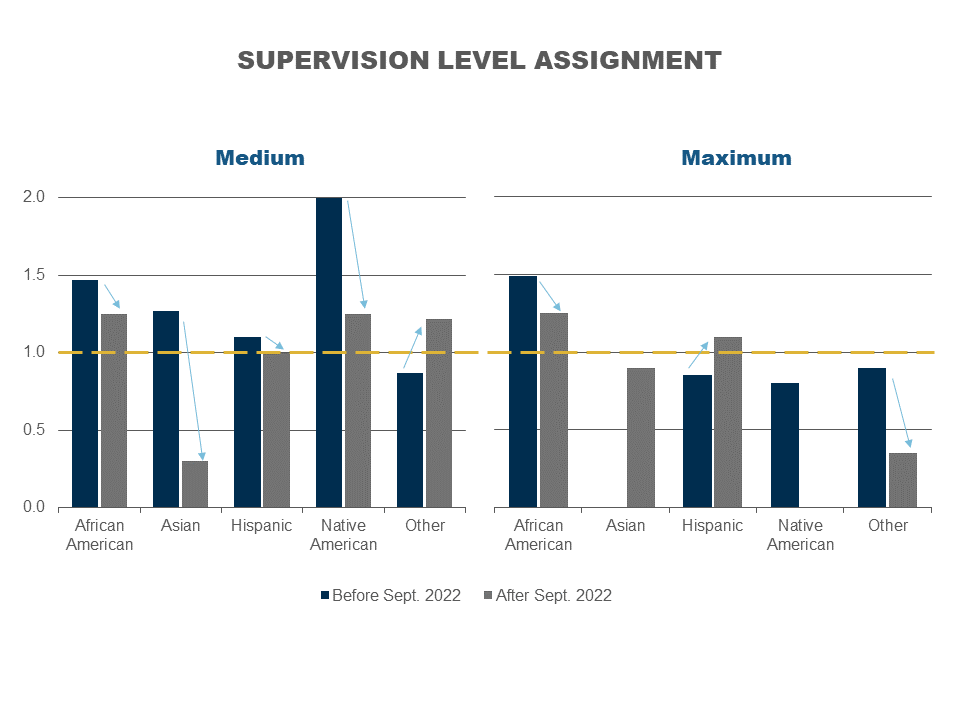
2. How have the odds changed following policy changes (i.e., warrant and supervision level assignment procedures)?
The analysis returned the following findings:
Question 1: Only disparity was found in the Proxy assessment, whereas there were no disparities found in successful completions, violations, warrants, and supervision level assignments.
Question 2: Although no statistical significance was found in warrants and supervision level assignments prior to the implementation of departmental policy changes, there is a notable further improvement in the reduction of these outcomes following the policy changes.
WORKFORCE EXPERIENCES
In 2023, CSUSB conducted workforce interviews to gain perspectives on RCP’s DEI efforts, specifically in the areas of promotion and retention. Ultimately, nineteen (19) staff members from various divisions, seniority levels, and classifications volunteered to participate in these interviews. The outcome of the interviews highlighted the following recurring themes:
These interviews not only provided insight from the interviewees’ perspectives but also allowed them to offer suggestions for departmental improvement. The suggested improvements are:
Image

The analysis revealed a need for continued attention. While the initial interviews were being conducted, RCP was already in the process of implementing various changes and incentives intended to improve staff promotion and retention. To further strengthen these efforts, the department has decided to have CSUSB conduct another round of workforce interviews, scheduled for late summer/early fall 2024.
MANDATED TRAINING
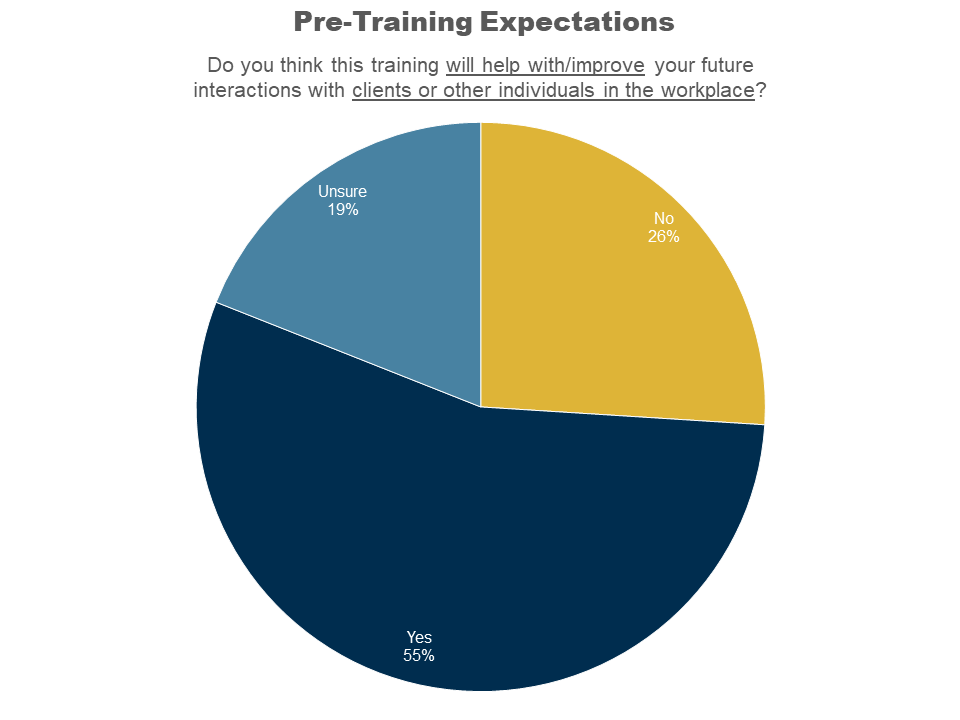
In addition to evaluating client data and conducting workforce interviews, CSUSB began evaluating the DEI training course selected for FY 2023-2024, titled “Cultural Competence: Creating Respectful Cross-Cultural Environments.” This evaluation included three anonymous online surveys, one pre-survey and two post-surveys, for each of the eight training sessions that occurred between July 2023 and April 2024. The visuals below depict the results of those surveys.
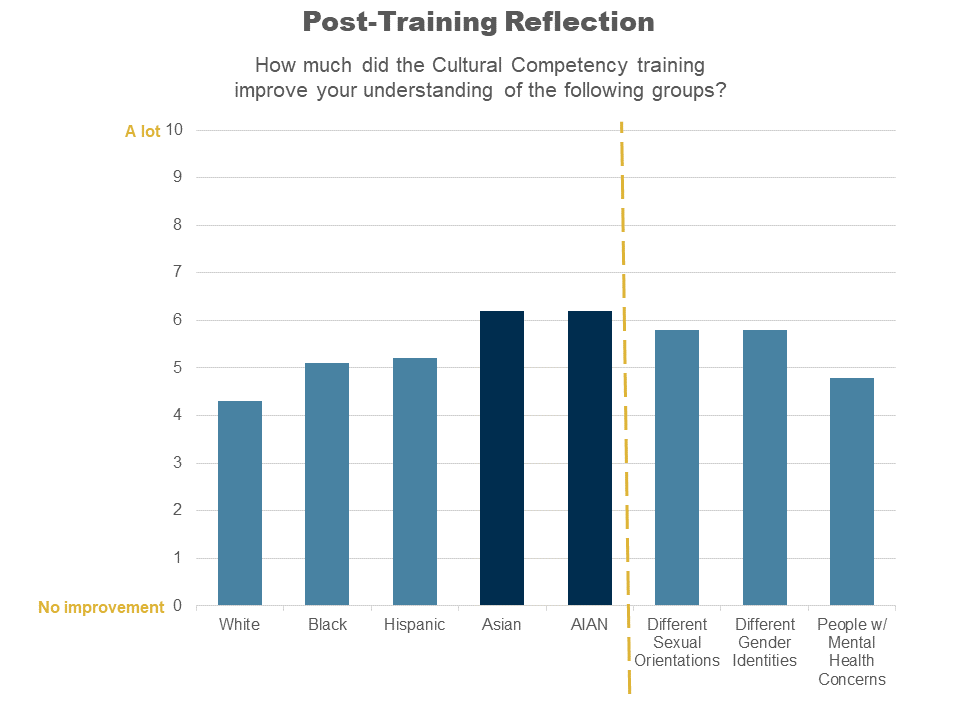
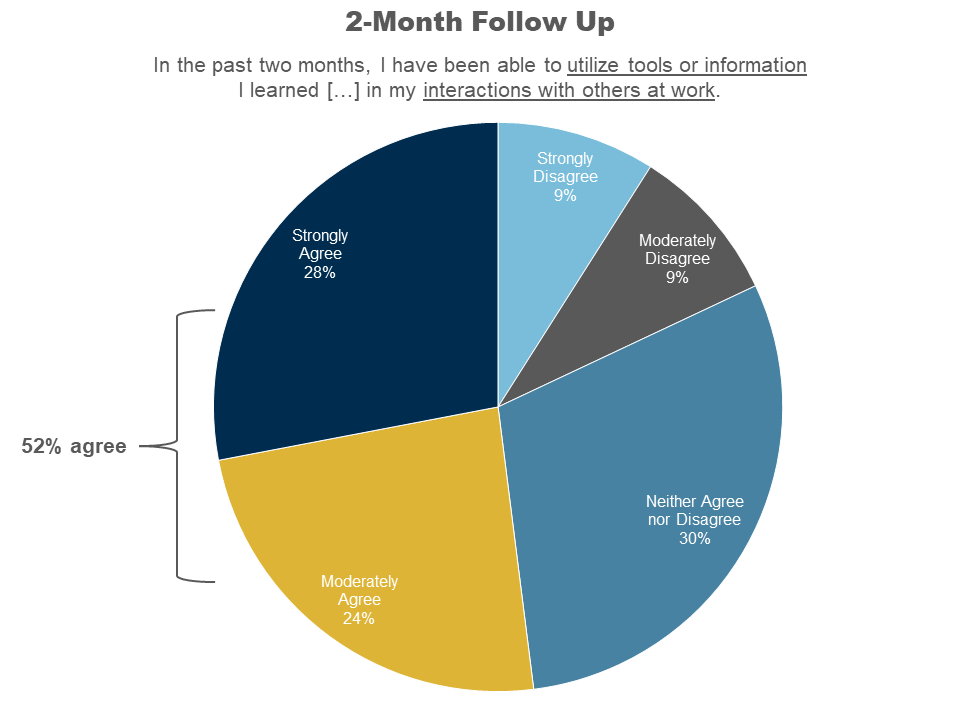
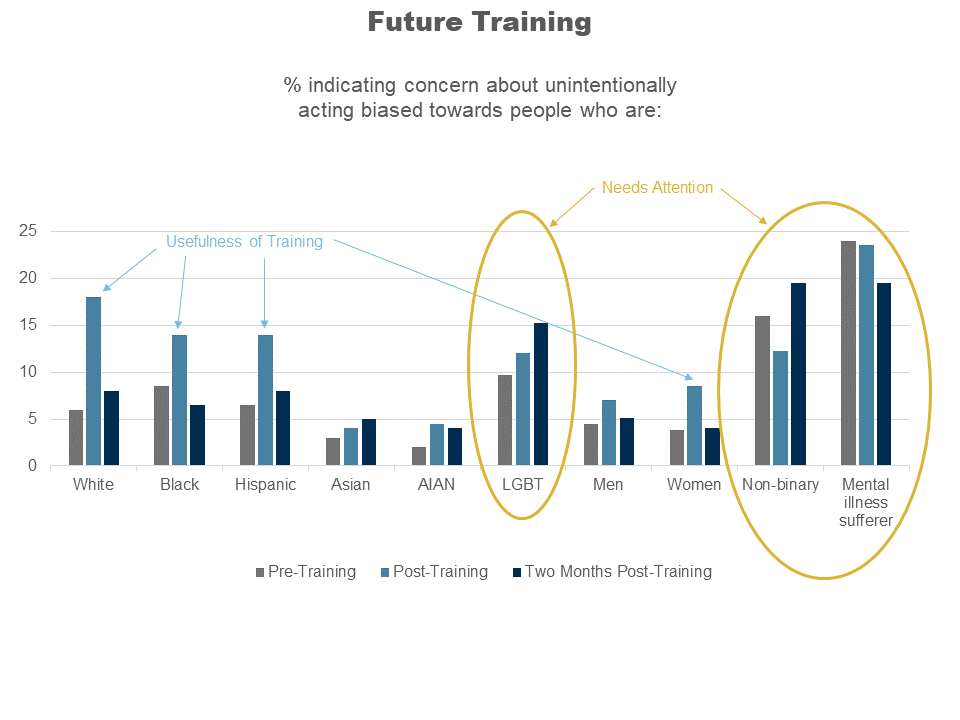
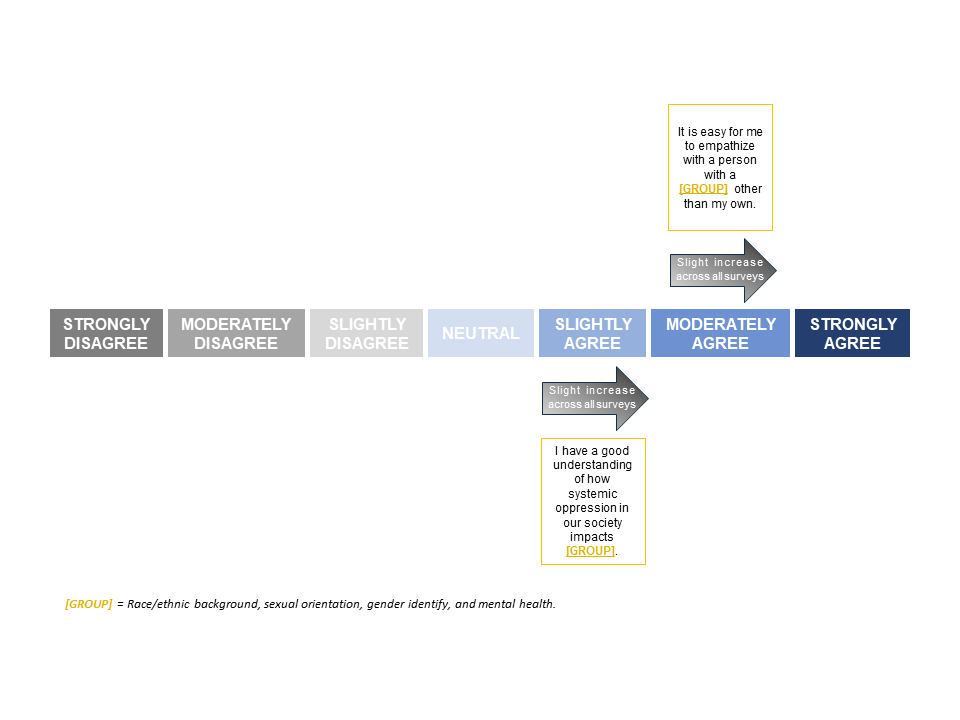
Based on the analysis of the training component, CSUSB recommended continued progression in the department’s DEI training courses.
In conclusion, CSUSB's evaluation of the three key aspects has shown that RCP is making meaningful progress within the DEI realm. As we move forward, CSUSB will continue to support and evaluate the department's efforts while remaining a collaborative partner through June 2025.